
How to Apply for a Personal, Auto, or Mortgage Loan—All in One Guide
Explore what you can qualify for, from as low as $1,000 to $100,000+
Understand loan categories before applying
Facing unexpected expenses or planning major purchases can be stressful, especially when finances feel tight. Whether you’re considering a personal loan, a mortgage loan to buy your dream home, or vehicle financing to get that reliable car, understanding your options can make all the difference. Let’s explore these financial tools to help you make the best decisions at the right time. 💡

To guide you effectively, this article will cover the essentials of different loan types, the paperwork required, how pre-approval works, and tips for choosing between federal and private lenders. You’ll find clear, step-by-step advice designed to simplify your borrowing process and save you time and money.
Different Loans, Explained
When it comes to borrowing money, loans can feel complicated, but breaking them down into categories helps clarify what each is best suited for:
Find the right financing for your next ride — Chase auto loans start at K with quick decisions.
🚗 Auto Loans: With Chase up to 750k
Low Credit? Low Down? You May Still Qualify for an FHA Loan with Chase.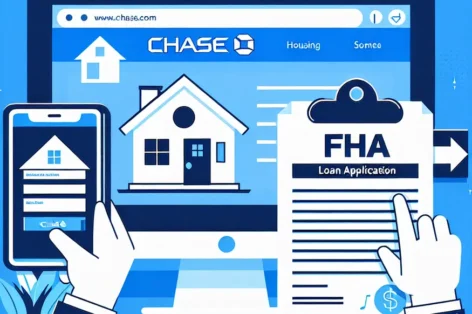
🏠FHA Loan: Get it with Chase bank

Need extra cash? Get personal loans from Citibank with flexible terms and fast approvals—backed by a name you trust.
💰 Personal Loan: Citibank
- Personal Loans: These are usually unsecured loans, great for consolidating debt, paying for emergencies, or funding short-term goals. They don’t require collateral and can have flexible credit requirements.
- Mortgage Loans: Used to purchase or refinance homes, mortgages involve longer repayment periods and often come with fixed or adjustable interest rates. They are secured by the property you’re buying.
- Vehicle Financing: Specifically designed for purchasing cars, trucks, or motorcycles, these loans often have terms tailored to the vehicle’s expected lifespan, with the vehicle itself serving as collateral.
Understanding these loan types helps you choose the right option for your needs and financial situation.
Documents You’ll Need
Before applying for any loan, having your documents in order can make the process much smoother. Here’s a checklist of what you typically need:
- Personal Identification: Driver’s license, passport, or state ID.
- Proof of Income: Recent pay stubs, tax returns, or bank statements.
- Employment Information: Employer details and duration of employment.
- Credit Information: Authorization for credit checks and any recent credit reports if available.
- Property Documents (for mortgages): Purchase agreement, property appraisal, and title information.
- Vehicle Details (for auto loans): Vehicle identification number (VIN), purchase agreement, and insurance proof.
Having all these ready can speed up review times and help avoid delays.
Pre-approval Process
Getting pre-approved is a smart step, particularly for mortgages and auto financing. Here’s how it works and why it’s beneficial:
- Application Submission: You provide basic financial info and consent to a credit check.
- Pre-approval Assessment: The lender reviews your information to estimate how much you can borrow.
- Conditional Approval: You receive a pre-approval letter stating the loan amount you qualify for, with conditions.
- Advantages: It gives you a clear budget, strengthens your negotiating power, and speeds up final approval.
- Validity Period: Pre-approval letters last typically 60–90 days, so timing your house or car search accordingly is wise.
For example, a mortgage pre-approval lets sellers know you’re a serious buyer, while auto loan pre-approval can simplify dealership negotiations.
Tips for Federal and Private Options
When choosing between federal and private loan options, consider these helpful tips:
- Interest Rates: Federal loans often have fixed and competitive rates, especially for mortgages, while private lenders may offer varying rates based on credit score.
- Repayment Terms: Federal loans may offer more flexible terms and protections, such as deferment, while private loans might have stricter policies.
- Credit Requirements: Private lenders often have tighter credit score requirements for lower rates; federal options may be more forgiving.
- Application Processes: Federal loans usually require documentation proving eligibility; private lenders focus more on credit history and income stability.
- Additional Benefits: Some federal loans come with perks like loan forgiveness or income-driven repayments—check if you qualify.
- Shop Around: Don’t settle for the first offer. Compare rates, fees, and terms among several lenders.
Check out comparative guides on personal and mortgage loans by top financial institutions to make the best choice.
For more on personal loans, see articles such as:
How to Get a Personal Loan Between $3,000 and $10,000 with Wells Fargo Bank of America Personal Loans Starting at $3,000 How to Get a Mortgage with Bank of America: Complete Application Tutorial How to Get an Auto Loan from Bank of America Borrowing From $7,500 and Up
“Apply for Bank of America Personal Loan Now! 🚀” “Get Your Auto Loan at Bank of America Today! 🚗”
Conclusion
Now that you better understand different loans like personal, mortgage, and vehicle financing, along with the documents needed, the benefits of pre-approval, and tips to choose the right lender, you’re well-equipped to tackle your next borrowing decision confidently. Remember, the key is preparation and comparison to get the best deal possible.
Take action today! Dive deeper into specialized loan guides, compare options, and soon enough, you’ll have the financial support you need for your goals. For your next step, explore more about how to secure the perfect loan match for your unique financial future. 🌟

Easily Calculate Your Loan Interest with Our Free Tool
Understanding how much interest you’ll pay on a loan doesn’t have to be complicated. With our free loan interest calculator, you can estimate your total interest, monthly payments, and overall cost in just a few clicks—no spreadsheets, no confusion.

U.S. Bank Personal Loans from $1,000: What You Need to Know
Finding the right loan in the U.S. can feel overwhelming, especially when you’re uncertain about loan amounts or worried about approval. Many people face the challenge of choosing a loan that fits their financial needs without stretching their budget or risking their credit scores.

Citibank Personal Loans: How to Apply and What to Expect
Feeling overwhelmed by unexpected expenses or dreaming of upgrading your lifestyle but falling short on funds is a common struggle. Many people find themselves wondering how to access quick, reliable financial help without the hassle.